ASSET INSPECTION | PROJECT OVERSIGHT
Helicopter Aerial Survey
Without the road hours.
See the whole problem. Cover corridors, sites and scattered assets in a fraction of the time required on the ground.
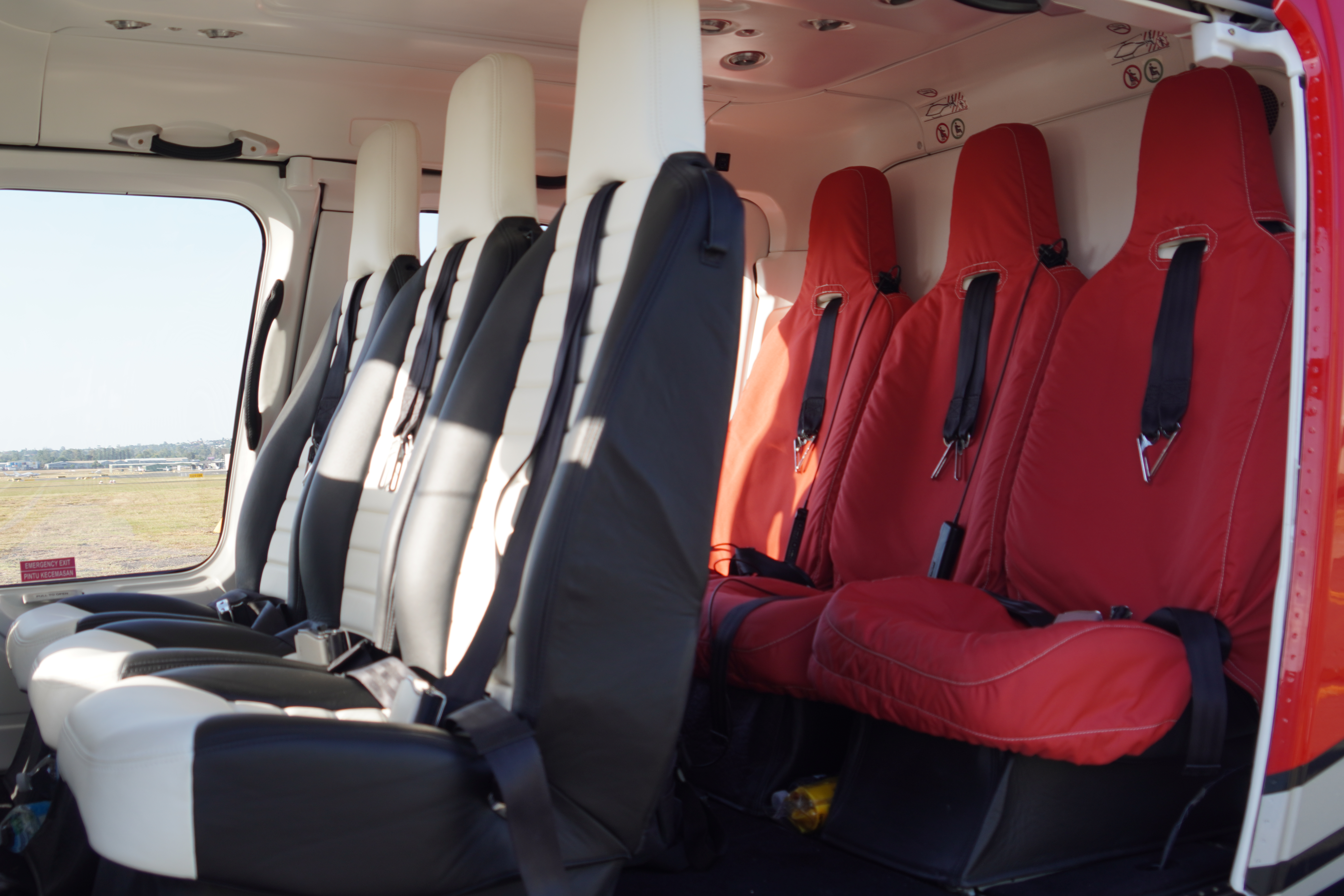
Talk while you work. Aircraft selection, seating and route planning built around observation, note-taking and clear communication.
Brisbane-ready. We operate in controlled and complex airspace every day, which keeps the mission calm and efficient.
SURVEY PLATFORM
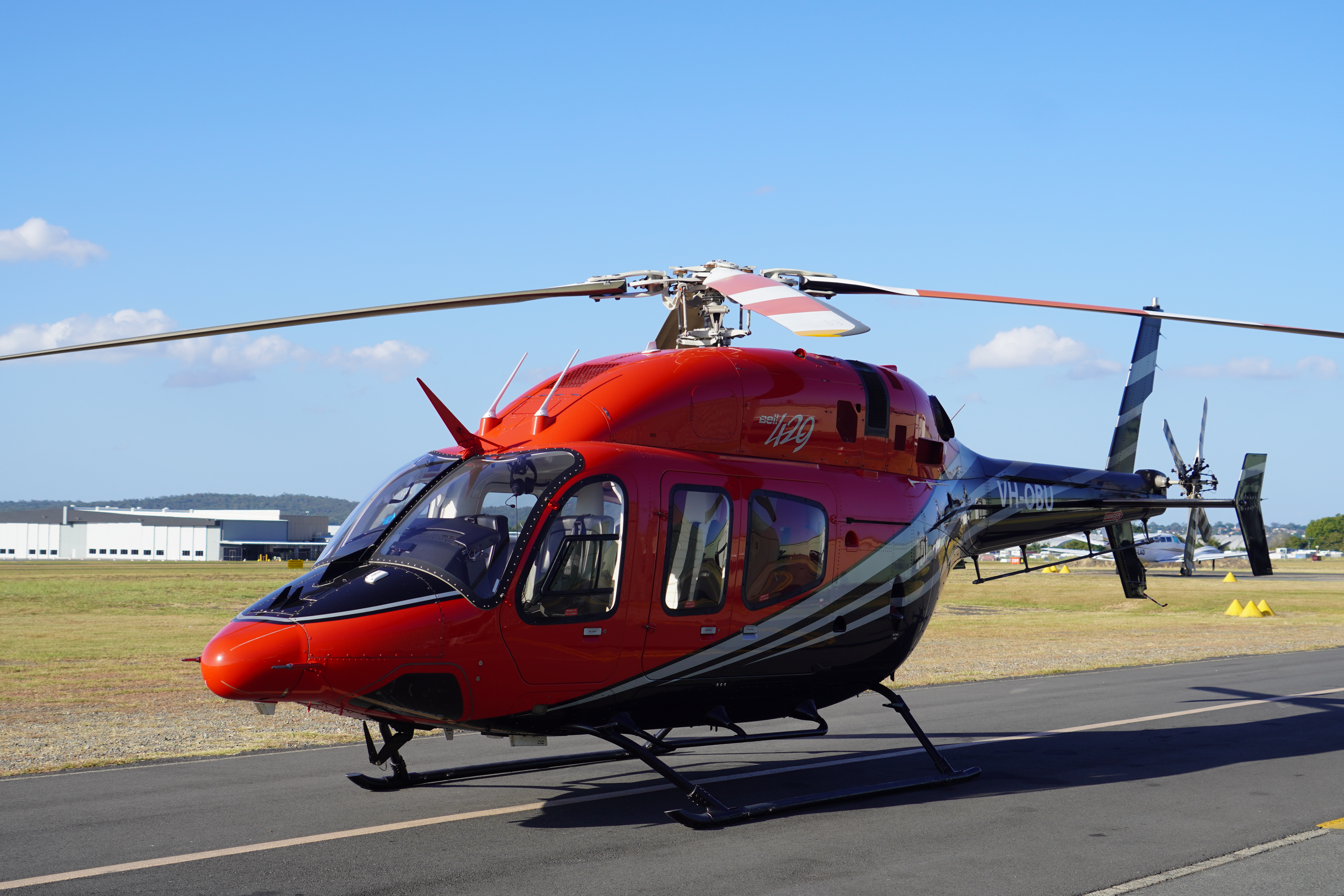
A practical aircraft
for serious observation.
Helicopter aerial survey changes the pace of decision-making. Instead of inspecting assets in fragments from the road, you can brief the route once, cover the entire area from the air, and keep key stakeholders looking at the same thing at the same time. That is why survey flights work so well for utilities, developers, infrastructure teams and project managers.
Bekaa Air provides the aircraft, pilot-direct mission planning and local airspace knowledge to make those flights productive. Whether the brief is a corridor review, a development overview, a construction-progress check or a stakeholder familiarisation flight, we structure the mission around what you need to see and when you need to see it.
Best suited to
- Utility corridors and network inspection
- Property, acreage and development review
- Construction progress and project familiarisation
- Executive and stakeholder aerial site overviews
SURVEY APPLICATIONS
Where helicopter survey
makes the difference.
Utility Corridors
Powerlines, easements, pipelines and linear assets are far easier to understand when the route can be viewed continuously instead of site by site.
Property & Development
Review acreage, subdivision layouts, access routes, neighbouring land use and wider context without losing hours on the road.
Construction & Progress Checks
Ideal for project teams who need a fast update on multiple fronts, staging areas or corridor works in a single sortie.
Stakeholder Familiarisation
Useful when decision-makers, clients or consultants need to see the site with the route, constraints and surrounding area all in one view.
MISSION FLOW
How we run
a survey flight.
Scope the Objective
We define what needs to be seen, how much area must be covered, who needs to be onboard and whether any camera or note-taking workflow needs to be supported.
Build the Route
Our pilots plan the most efficient survey pattern around airspace, visibility, weather and the observation priorities of your team.
Fly & Debrief
On the day, the aircraft is configured to suit the job and the sortie is flown to maximise usable observation time rather than just airtime.
AIRCRAFT OPTIONS
Aircraft selected
for the survey brief.
Bell 206L3 LongRanger
A strong survey platform for teams that want space, visibility and the ability to discuss the job clearly while the route is being flown.
Airbus H125 / AS350
Well suited to larger-scale work, higher payload requirements and missions that may involve more demanding operational profiles or specialist support by arrangement.
Robinson R44
A nimble and economical choice for shorter property reviews, corridor familiarisation flights and smaller survey teams.
PLAN THE FLIGHT
Need a survey quote
or route plan?
Send the area, objective and timing through. We will match the aircraft, route logic and cabin setup to the actual survey requirement.
SURVEY FAQ
Common aerial survey
questions answered.
Helicopter aerial survey flights are commonly booked by utilities, developers, project managers, infrastructure owners, consultants, government bodies, asset managers and private clients who need a fast overhead view of land, corridors or worksites. The main value is seeing the entire area in one pass rather than piecing it together from the road.
Typical briefs include utility corridor inspection, property and acreage review, development familiarisation, construction progress checks, stakeholder overviews, access planning and general site assessment. If the task is observation-based and the goal is to understand an area quickly from the air, a helicopter survey is often the most efficient option.
Yes. Aircraft choice depends on how many observers need to be onboard, how much cabin space is required for discussion or notes, and how long the flight needs to run. If the job involves several stakeholders, we will recommend the aircraft that gives the best mix of visibility, comfort and operating efficiency.
Yes. We regularly operate in Brisbane and other controlled or complex airspace environments, which matters for survey work around built-up areas, infrastructure, river corridors and sensitive locations. That local operating familiarity helps keep the mission efficient and reduces wasted time in the air.
Absolutely. Many helicopter aerial survey clients also capture stills or reference video during the flight so the observations can be reviewed afterward. If the brief involves a more dedicated camera workflow, tell us in advance so we can recommend the right aircraft and seating setup.
Our core service is the helicopter platform, pilot-direct route planning and operational delivery. If your aerial survey requires a specialist sensor, camera system or technical workflow, we can discuss that by arrangement and confirm whether the mission is best handled as a straightforward observer flight or a more specialised setup.
Yes. A helicopter survey is often the fastest way to review acreage, subdivision layouts, neighbouring land use, road access, topography and the wider commercial context around a site. For developers, planners and buyers, it is a practical way to understand the whole property rather than just one boundary at a time.
Pricing depends on aircraft type, survey area, duration, number of observers, route complexity, repositioning time and whether the flight sits inside controlled airspace. The most accurate way to quote an aerial survey helicopter job is to send through the area, objective and preferred date so we can build the route properly.
The key inputs are the survey area, what needs to be seen, who needs to be onboard, preferred date, likely flight duration and whether there are any camera, observer or airspace considerations. If there are multiple sites or a corridor route, include that too because it directly affects aircraft selection and planning.
If visibility, wind, rain or cloud make the mission unsuitable, we will delay, reschedule or re-plan the route. The point of an aerial survey is usable observation time, so there is no value in forcing the flight in conditions that prevent you from seeing the site properly.